

Love these Vibrant Ladies!
Today, we are talking all things Magnesium! Magnesium is a mineral/element/electrolyte that plays a critical role in cellular function, impacting every system in our body. From building bones and supporting muscle function to regulating the heartbeat, magnesium is essential for life.
From a neurological standpoint, magnesium is considered the Calming Mineral. It literally calms our nervous system by:
- blocking stimulating neurotransmitters
- binding to the neurotransmitters in the brain that promote relaxation
- promoting the availability of GABA (a calming neurotransmitter)
- regulating the release of stress hormones – cortisol and epinephrine.
Benefits of Magnesium for Perimenopause and Menopause
For women in perimenopause and menopause, Magnesium has been shown to help with a variety of symptoms, including:
Bone Density ~ low levels of magnesium have been linked to increased risk for osteoporosis in menopausal women. Magnesium helps with our absorption and utilization of Calcium and Vitamin D. It also stimulates the proliferation of osteoblasts, the cells that strengthen existing bone and create new bone.
Science Direct link to Study
Sleep ~ as I mentioned in the introduction, Magnesium is the Calming Mineral. In addition to calming our nervous system, it also works to relax our muscles. My favorite hormone is Melatonin, and Magnesium regulates its release.
Anxiety and Stress ~ Another win for Magnesium’s calming qualities! Its effectiveness in promoting GABA, inhibiting the production of cortisol, and supporting the calming neurotransmitters in our brain makes it a valuable asset in our battle against anxiety and stress.
Cleveland Clinic link to Article
Constipation ~ Magnesium helps to draw water into our intestines, keeping things soft and pliable. It also promotes peristalsis, the muscular action that allows for gut motility. Magnesium plays a key role in regulating our digestive enzymes, which break down and metabolize food AND facilitate the absorption of nutrients. Finally, it supports a healthy microbiome within our gut.
Depression and Low Mood ~ while it is not appropriate to view it as a stand-alone treatment for depression, Magnesium’s calming effects on our neurotransmitters and stress hormones may be a beneficial tool to utilize with other treatments for depression.
Very Well Mind link to Article
Foods that are Excellent Sources of Magnesium
~ Dark Leafy Greens – Spinach, Kale, Broccoli
~ Nuts – Almonds, Cashews, Peanuts (peanut butter lovers – rejoice!)
~ Seeds – Flax, Pumpkin, Chia
~ Legumes – Black Beans, Kidney Beans
~ Fruits – Bananas, Avocados
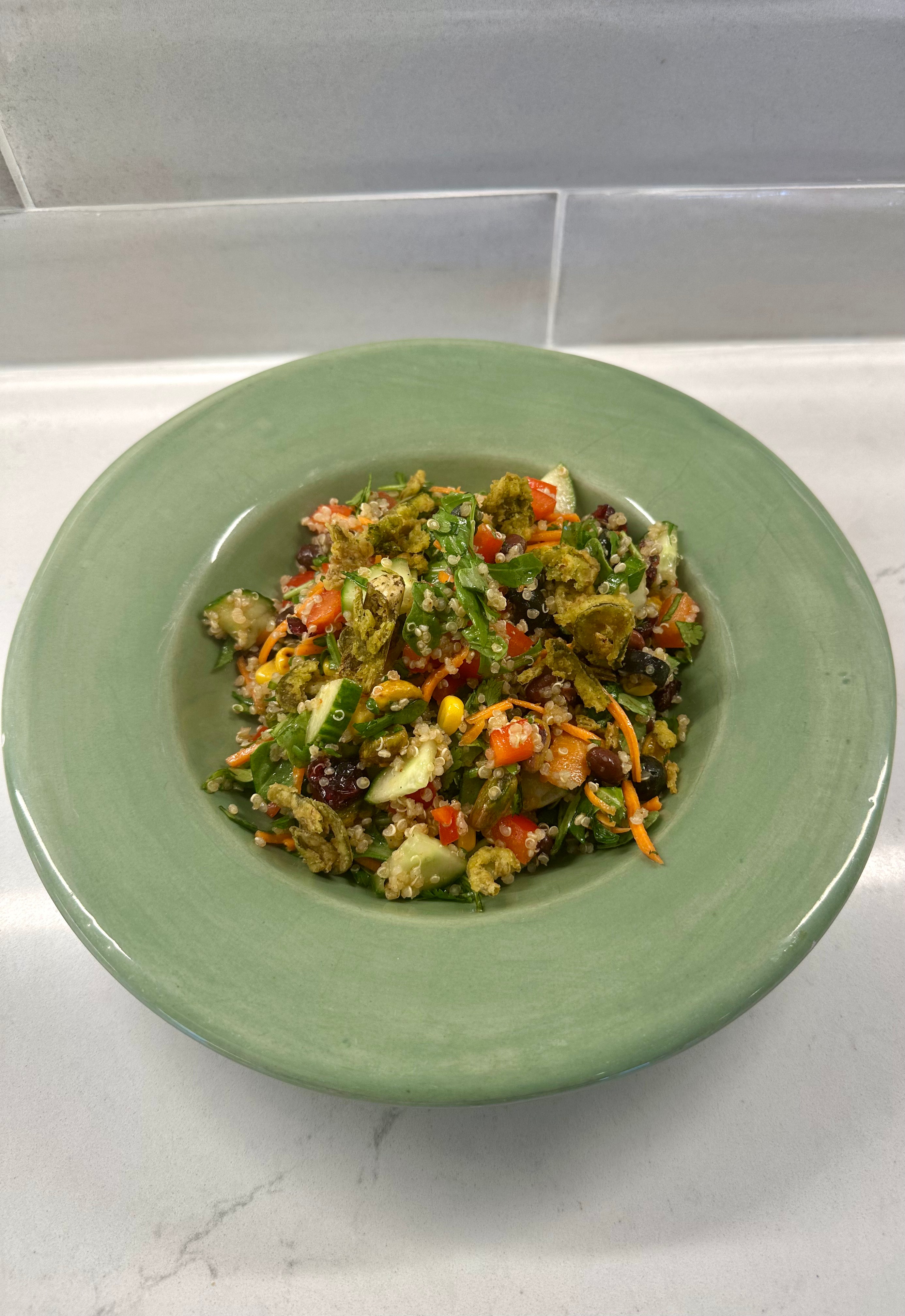
~ Grains – Oats, Brown Rice, Quinoa
~ Yogurt, Kefir Milk
~ Dark Chocolate (Heck Yeah!!!)
Here’s a link to my Signature Smoothie, loaded with ingredients that are high in Magnesium.
Safety in Supplementing with Magnesium
Before I get into taking magnesium supplements in any form, I want to talk about safety. As I mentioned in the introduction, Magnesium is an electrolyte (along with calcium, sodium, potassium, chloride, phosphate, and bicarbonate). Electrolyte imbalances can be very serious. We don’t want any of our electrolytes to be too high or too low . . . we want them just right, like Goldilocks. So yes, you can get too much or too little of a good thing. When supplementing with any electrolyte, we must be aware and take the recommended dosages.
Who should not take magnesium supplements unless under a doctor’s order? People with kidney disease, heart disease, or heart dysrhythmia. Additionally, several medications do not play well with magnesium supplements. Depending on the medication, taking magnesium can either block the absorption of the medication, which will lessen its effects, OR increase the absorption of a med, causing magnification of effects. Consult your doctor before taking magnesium if you take any of the following medications:
- Thyroid medications
- Calcium Channel Blockers (for blood pressure)
- Potassium-sparing Diuretics
- Digoxin (for heart dysrhythmia)
- Bisphosphonates (for bone strengthening)
- Certain Antibiotics
- Sulfonylureas (diabetes)
- Gabapentin
For everyone, before starting a new supplement, you should check with your doctor. Always remember to include your supplements on your list of medications.
Absorption and Bioavailability of Magnesium
Now, let’s talk absorption. You’ve heard it from me before . . . as we age, our digestive tract becomes less efficient at absorbing micronutrients from food.
You can read more about absorption in: “A Synergistic Approach to Supplements,” and this “Hello Friday” article includes a section on Vit B12.
Regarding magnesium absorption, we want to choose a supplement with a high bioavailability rate in our gut, but there’s another level of absorption we should chase. The Brain.
You’ve probably heard of the blood-brain barrier, but let’s break it down. The blood vessels in the brain have an extra layer of semipermeable membrane. This protects the brain by preventing potentially harmful substances in the blood from absorbing into the brain while also allowing beneficial substances (like nutrients) to permeate brain tissues.
There are multiple forms of Magnesium. Here are my top 3 for absorption and bioavailability:

Magnesium Citrate: rates very well for absorption, but it is unclear if it crosses the blood-brain barrier. Here’s a link to a Magnesium Citrate that I like.

Magnesium Glycinate is highly rated for sleep and stress management. It is a combination of magnesium and glycine, a neurotransmitter, which allows it to cross the blood brain barrier. Here’s a link to the Magnesium Glycinate that I like.

Magnesium L-Threonate is the newest form of magnesium that I researched. It is a combination of magnesium and threonic acid (a derivative of Vit C). It is the highest rated for crossing the blood-brain barrier, and is thought to support cognitive function in addition to sleep. I am using this Magnesium L-Threonate
So there you have it, my Top 3 picks for Magnesium. Talk to your doctor, do your homework, and (if you’re a candidate) choose the one that is best for your needs.
Thank you so much for being here and learning more about how to approach your wellness! I’ll see you back here tomorrow!
*Note about Affiliate Links: I have created some links to products that I have researched and personally use and enjoy. In utilizing these links, Elevated Nesting may earn a small commission (at no additional cost to you).





Thank you, Steph! I appreciate that so much! Have a wonderful week!